Category: WordPress Development
-
Upgrade PHP in WordPress safely: a rehearsal, a release plan and a way back
Upgrade PHP in WordPress with a tested staging copy, plugin checks, protected live data and a rollback plan that goes beyond restoring yesterday’s backup.
-
PHP2Shell and WordPress: what to patch, what to verify, what comes next
Understand PHP2Shell, identify the PHP runtime serving WordPress, verify patched builds and plan the checks that a hosting update alone cannot replace.
-
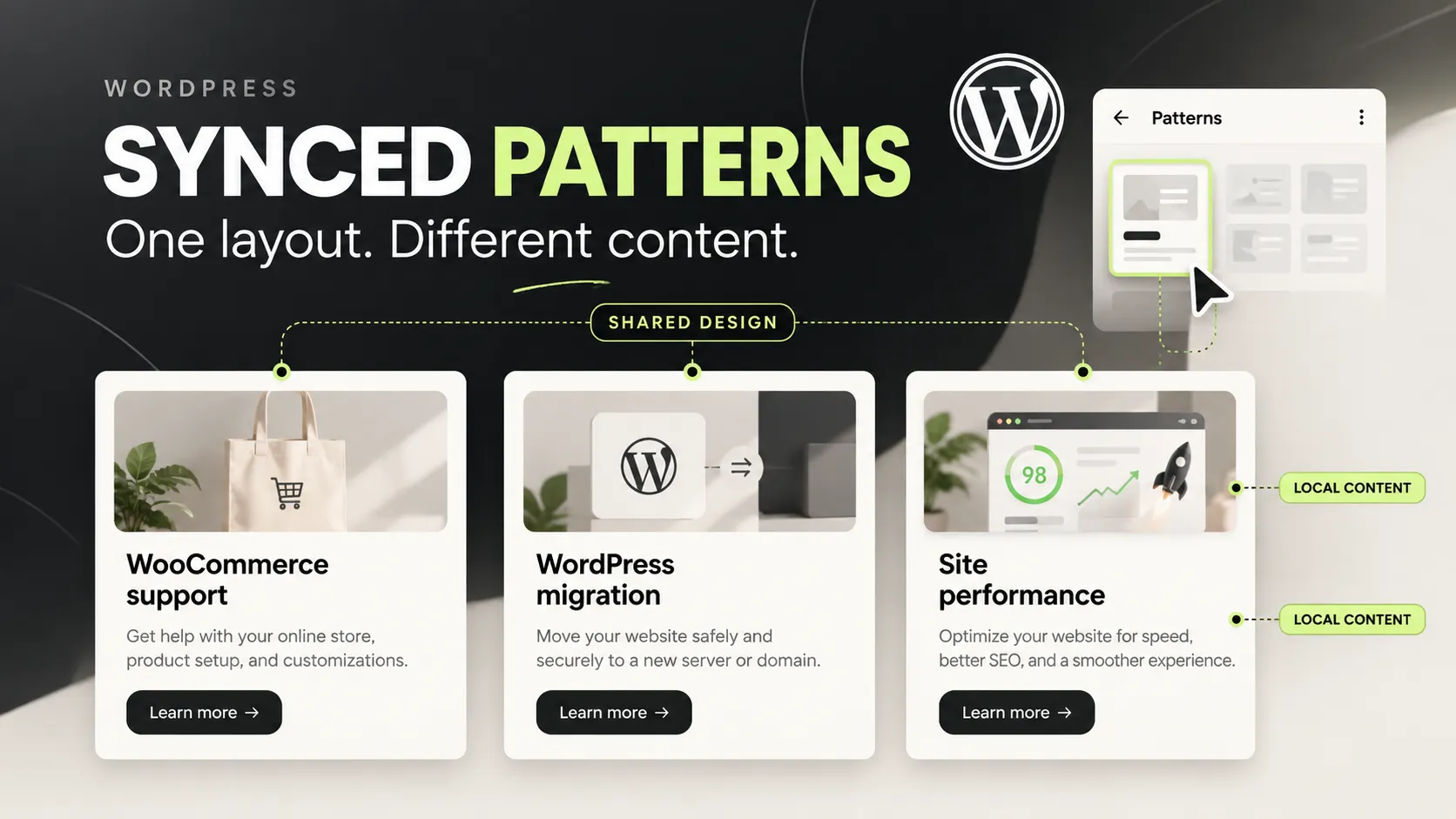
WordPress synced patterns: reuse a layout without sharing every word
Use WordPress synced patterns and overrides to share layouts while keeping local copy editable. Includes a decision table and a safe change workflow.
-
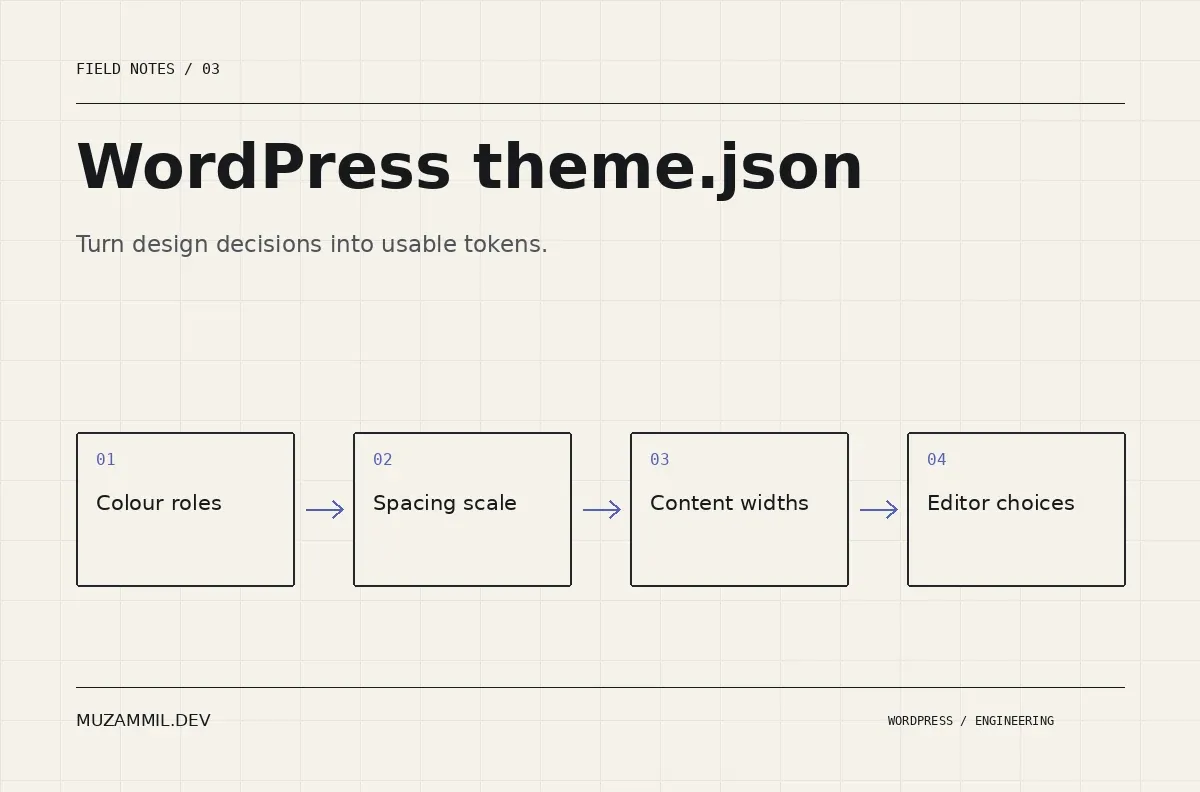
WordPress theme.json: build design tokens editors can actually use
Build a WordPress theme.json design system with usable colour, spacing and width presets, plus a rollout plan that protects existing content.
-
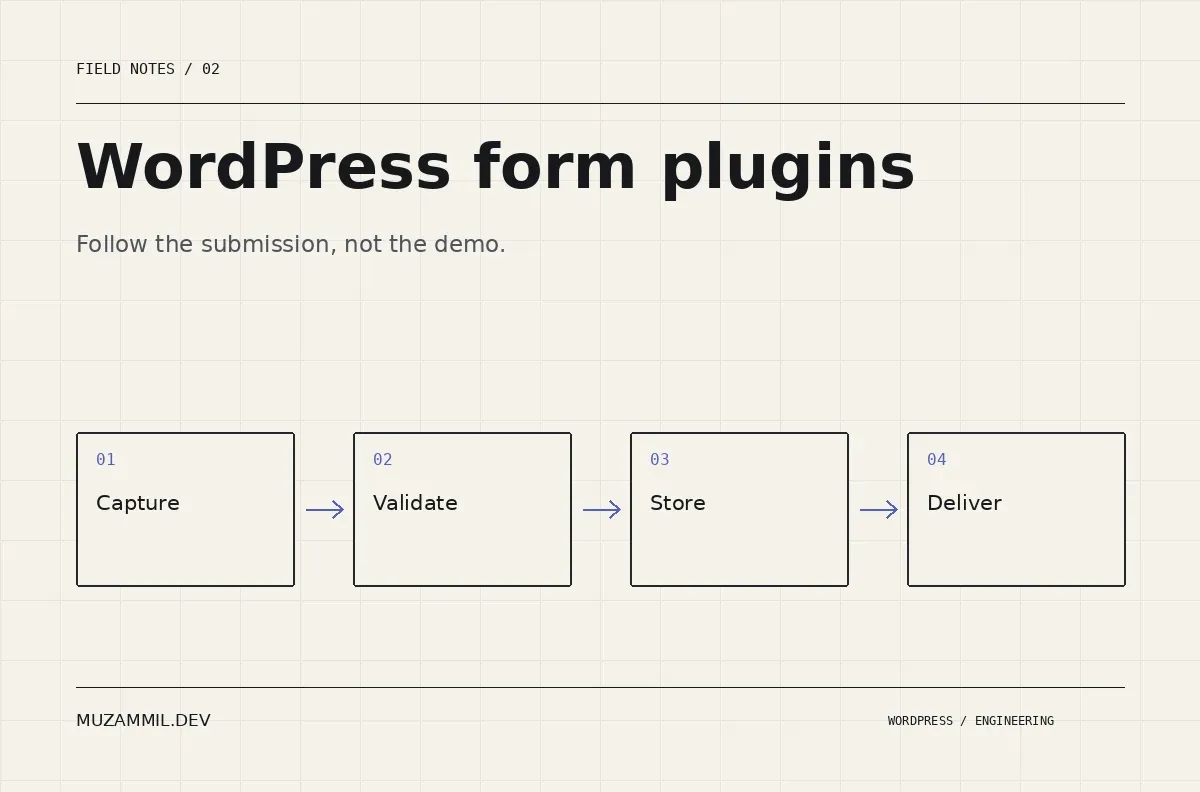
WordPress form plugins: compare 6 options before you commit
Compare six WordPress form plugins for lead capture, complex workflows and block themes, including accessibility, storage and migration checks.
-

8 FSE plugins for WordPress client sites: build a smaller stack
Compare eight FSE plugins for WordPress client sites, from block libraries to visibility tools, with a practical selection and exit-testing plan.
-

Repair or Rebuild a Legacy WordPress Site? A Commercial Decision Framework
Repair versus rebuild is not a technical preference. It is a commercial risk decision.
-
WordPress CRM Integration Without Fragile Automations
A WordPress CRM integration is reliable only when both systems can disagree safely.
-
WooCommerce Subscription Problems: Renewals, Tokens and Failed Payments
Subscription failures are lifecycle problems, not isolated checkout problems.
-
WordPress AI Plugin Audit: Privacy, Permissions and Vendor Lock-In
Full implementation: an AI feature is an external data-processing integration, not just another editor button. Before enabling it on a production site, I identify what it reads, where it sends that data, which users can invoke.